Ejit

Laws, Policies & Regulation

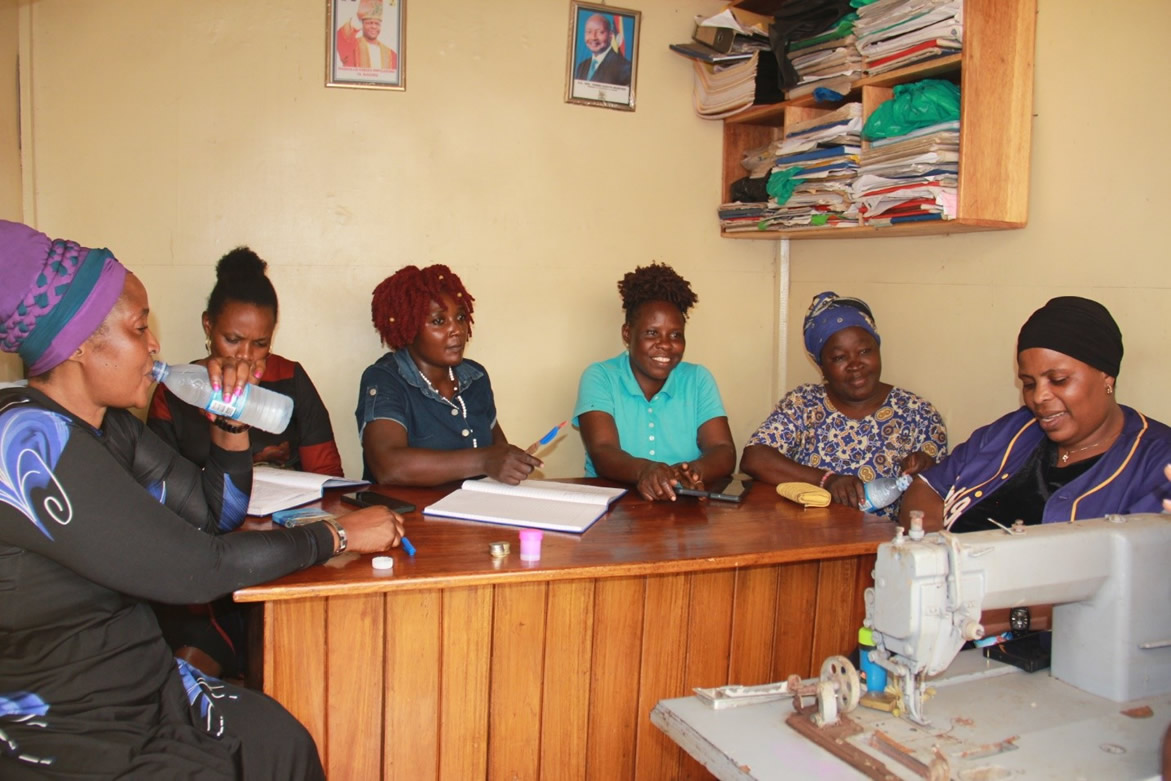
The informal sector where markets lie operates under the shadow of non-clarified and gender irresponsive law; the Market Act 1942. The governance structures, infrastructure, services, facilities, regulations, mechanisms of taxation, and redress are much wanting. This has crippled the development interventions directed to the informal sector of the markets operations that is highly comprised of women. The old Act escalates women’s discrimination and abuse in market spaces.

We developed Gender Responsive Guidelines to promote clear referral pathways for violence free markets and safety for women and girls were developed and adopted by markets.

IST continues to organize to influence policy and inclusion for women in markets. We have held a series of multi-level advocacy and accountability dialogues with key stakeholders who include members of parliament, line ministries, local government, market leadership and civil society players aimed at the repeal of the Market Act 1942 and implementation of the gender responsive guidelines/ policies related to the informal sector.

IST has progressed in steering the efforts to influence the repeal of the old Markets Act of 1942. Being a highly contentious Bill, a lot of advocacy and consultations are still needed to ensure it is repealed and enacted into law.

READ MORE
Impact

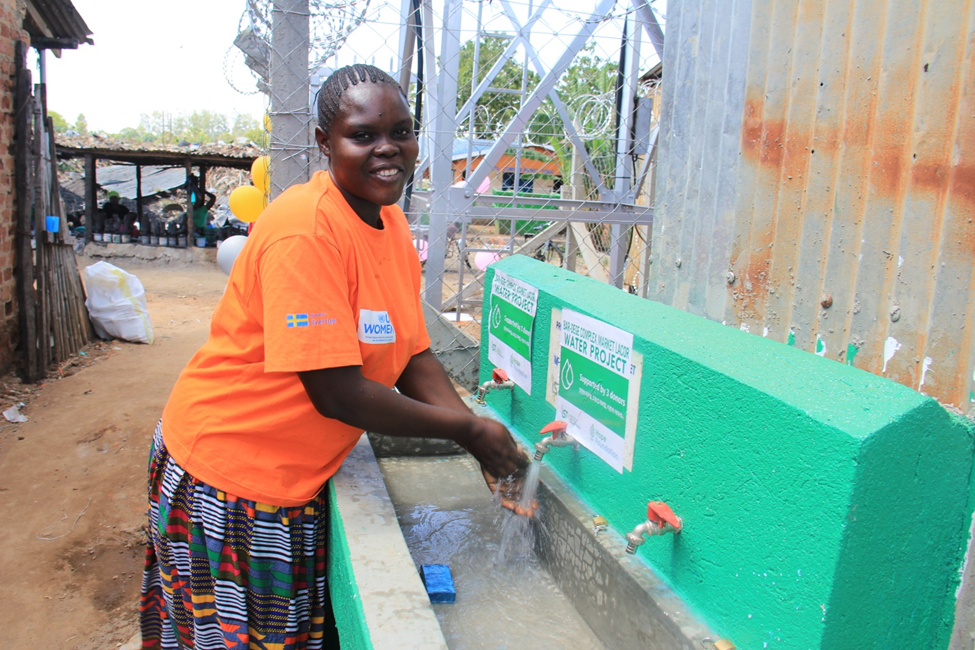
The Water Story

Background: Bardege Complex Market is located in Lacor Division in Gulu Main Market located in Northern Uganda. Northern Uganda is one of the dry lands in Uganda with most families having little or no access to safe water coupled with high poverty levels as the region battles the effects of the LRA war. Due to disparities in water access in Uganda, people living in poverty pay 22% of their income to access safe and clean water (Water Credit Solution Uganda 2013).

With millions of Ugandans still battling the effects of the COVID 19 pandemic, there has been an added challenge of living without access to safe and clean water. Now more than ever, access to clean, safe and affordable water is key to the health and livelihoods of people in Uganda.

In December 2021 at the launch of the project, IST met with Valeria Alomorach, a leader in Bardege Complex Market and here is what she had to share with the us.

“My name is Valeria Alomorach and I work in Bardege Complex Market where I sell produce. I have been working in the market for over 8 years.

“Shortly after the second lockdown in Uganda, it was a mandatory requirement for all public places to have hand-washing water points at all main entrances. According to the directive, these places included markets, malls, taxi parks, bus stops, etc. However, for Bardege Complex Market which is a private market, this was a challenging directive since we did not have either the resources or the capacity to set up the hand-washing points.

“The market is home to over 1000 vendors but we also have 600 families living around the market area. The only water point we had close by was a free-flowing well which is about 300 metres from the market. Along with the IST team, we visited the well and I am glad that IST was able to see the dire water situation we were operating in. We were then approached by IST with support from Korea Hope Foundation to set up a solar powered water system for both the market and communities living around the market.

“As a private market, we welcomed the idea to have water points around the market which was evidenced by the willingness of the market landlords and market leadership who agreed to let us construct the water system on their land.

“We had our first meeting with leaders of Gulu District who we introduced to the project and they proceeded to welcome the project but encouraged us to work with Lacor Division to acquire permission to build the solar powered water system.

“After the inception meeting and introduction with the leaders, we signed a memorandum of understanding between IST, market landlords and the market leadership. IST also linked us with the team at Davis & Shirtliff who we worked with to start constructing the water points.

“I am happy that the construction went on well, several water-flow tests were done before launching the solar powered water project. IST trained us on how to manage the water system. We formed a water management committee which has clear roles on how to manage the system. Currently, we have 6 hand-washing water points which have been constructed by IST with support from Korea Hope Foundation.

“Most importantly, the water system will help solve our scarce water problem, a challenge we have lived with since the existence of the market but has been made worse by the outbreak of the COVID-19.

“I would like to extend my sincere gratitude to IST and Korea Hope Foundation for the unending support and love they have showed throughout the implementation and construction of the project. As a member of the water management committee, I commit to take care of the system with utmost responsibility.”

IST did a follow up in May 2022 and we learnt that the water has improved the hygiene of the market. The vendors are able to clean their vegetables and produce there by improving food hygiene. Within the community, there is general improvement and reduction in the spread of waterborne diseases like typhoid and diarrhoea due to access to clean water.

The Chairperson of the Market also shared that having accessible water points has resolved issues of child protection where children’s lives were at risk because of moving long distances to fetch water, sometimes at night. There were cases of children being knocked by cars while trying to fetch water.

The Chairman also added that the project has strengthened the economic resilience of the community and leaders. Although the water is free for the vendors (drinking and washing hands), they sell a jerrycan of water at UGX 200. The money collected facilitates repair of the water points in the market and the leaders are able to use some of the funds collected to address any arising community challenges.


READ MORE
Impact

Cooperatives Unifying Market Women to Combat the Effects of COVID-19

Nancy and 50 other market women in the cooperative share their stories of pain, triumph and success from the cooperative. The Cooperative started in 2018 as a CBO but has over the years grown into a cooperative with an agenda to support the group members economically, socially, emotionally and in all other spheres of life.

Elected in 2019, the leadership of the cooperative has been the pillar for its growth. It is made up of 9 women leaders who have been in charge of the growth and development of the cooperative. Through the strong leadership, the group members have managed to keep collecting up to 2,000,000 shillings monthly in group savings.

“Through the group lending and borrowing model of the cooperative, I was able to borrow money which has supported my business to grow after COVID-19,” – Nancy Aloyo, the Vice Chairperson of Gulu Main Market Saving and Credit Cooperative Group.

However, the cooperative has not only saved but also created a social fund for the group members where each member contributes 2,000 shillings weekly for any other social issues like parties, bereavement support, and health fund for its members.

Josephine Abwono confessed to have been a beneficiary of the fund saying, “When the lockdown was lifted, I returned to the market but my health was not good as I was in and out of the hospital. This affected my business but our cooperative gave me 200,000 shillings for medical bills which is interest free.”

The cooperative has also benefited from a Revolving Fund given by the Institute for Social Transformation (IST) with support from UN Women and Korea Hope Foundation. This is a fund that was given to the group to help them in revamping their businesses as well as for the group to achieve their goals and objectives at an affordable interest rate. Whereas the Revolving Fund is given at a very low interest rate, the group gives out loans to its members at only 3% which is lower than any commercial bank or money lending institution.

Jennifer Makeba, the treasurer alluded that the goal of the cooperative is to see their members succeeding in business and other spheres of life that is why they opted for a low interest rate. She said, “When you go to the bank, they will ask you for so many things in order to give you a loan. Besides having high rates of up to 15%, the bank requires you to have proper documentation and collateral. In fact, sometimes, the bank asks for evidence of spousal consent.” According to Jennifer, this hinders the ability of women to secure loans for their business there by making hindering their progress.

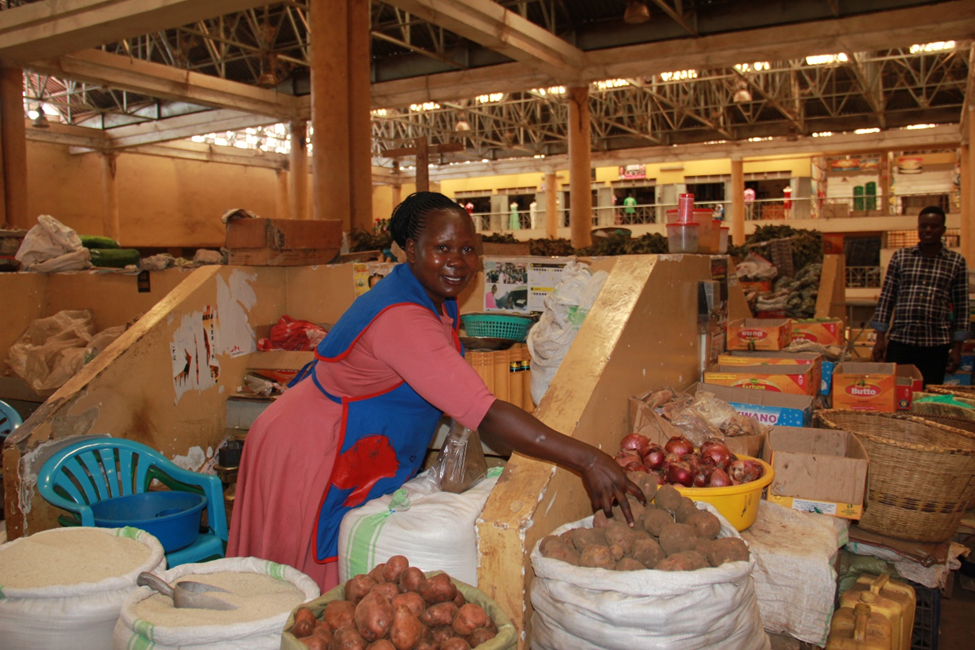
Nancy Aloyo is one of the members who acquired a loan from the cooperative and this is her story, “When we received the fund, I applied for a loan because my stall was almost empty and dry without produce. I sell Irish potatoes, onions, rice and beans. I was able to purchase sacks of rice, Irish and onions yet I was previously buying in basins. When you purchase in bulk, you get a higher profit margin compared to when you buy in small quantities. I have been able to grow and expand my business but I am also able to support my family and pay school fees for my son who is in Senior 3.”

Although Nancy has achieved immense success from securing the loan, she said that there are members who borrow money for business purposes but end up using it for other expenses like school fees and clearing debts from other groups. She explained that several women are carrying a heavy financial burden and the survival of their families is on their shoulders. Nancy therefore called upon IST to conduct more financial literacy trainings and financial management at individual levels to help the group members who have failed to balance their finances.

PHOTO: Some of the leaders of Gulu Main Market Saving and Credit Cooperative Group reviewing the financial situation of the cooperative during an ad hoc meeting in the market

Tasked to explain what happens to the group loan defaulters, Makeba the treasurer said that the reason why the cooperative is based in the market is because the members know themselves and have been working with each other for a long time so they are patient with one another, “Helping each other to grow as a group is our aim. We understand that some people may not always clear their loans on time. There is a small fine which is charged for all the defaulters but nothing extreme.”

The leadership of the cooperative recognises the fact that they are saving tirelessly but need more help in terms of money and any other resources. The leaders said that they applied for the Uganda Women Entrepreneurship Programme but have been on the waiting list for 2 years now and have not received feedback from the district although they met all the requirements.

With a strong leadership, the hope of the cooperative lies in implementing group projects. Betty Atoo one of the leaders said that their cooperative is planning to venture into outside catering, growing and selling of cereals where they will conduct joint marketing and make money to improve their livelihood. They also aspire to transfer the skills they have to other women in the markets while encouraging them to join the cooperative.

READ MORE
Impact

From Discord to Harmony: A Family’s Journey of Transformation

Okumu Ronald, a respected member of the local council and a lead farmer of ACE Cooperative in his community, shares how his family has undergone a remarkable transformation:

“We weren’t working together as a family before. I didn’t involve my wife in decision-making, and our household lacked unity. But through the training programs of IST and WE Effect I attended, everything changed. Today, we work as a team, and I’ve learned to respect her and include her in important decisions. Our family feels like a real partnership now.

“In our leisure time, we plan together and dream of a better future. One of our goals is to buy a plot of land in town. We’ve already made the first payment, and we’re eagerly waiting to harvest our crops in January to complete the final installment. The trainings have not only helped me grow as a person but also shaped me into a role model within our community. I now speak out on family matters and seek counseling when needed. Because of this, the causes of gender-based violence in our household have significantly reduced. Decision-making is now inclusive, and our family vision is stronger than ever.”

Brenda, his wife, adds:

“Before, my husband used to spend a lot of time gambling, which caused strain in our family. However, after he received training and applied what he learned, he changed completely. People in our community now come to us for advice on how to handle family matters. We’ve become a trusted source of guidance for others.”

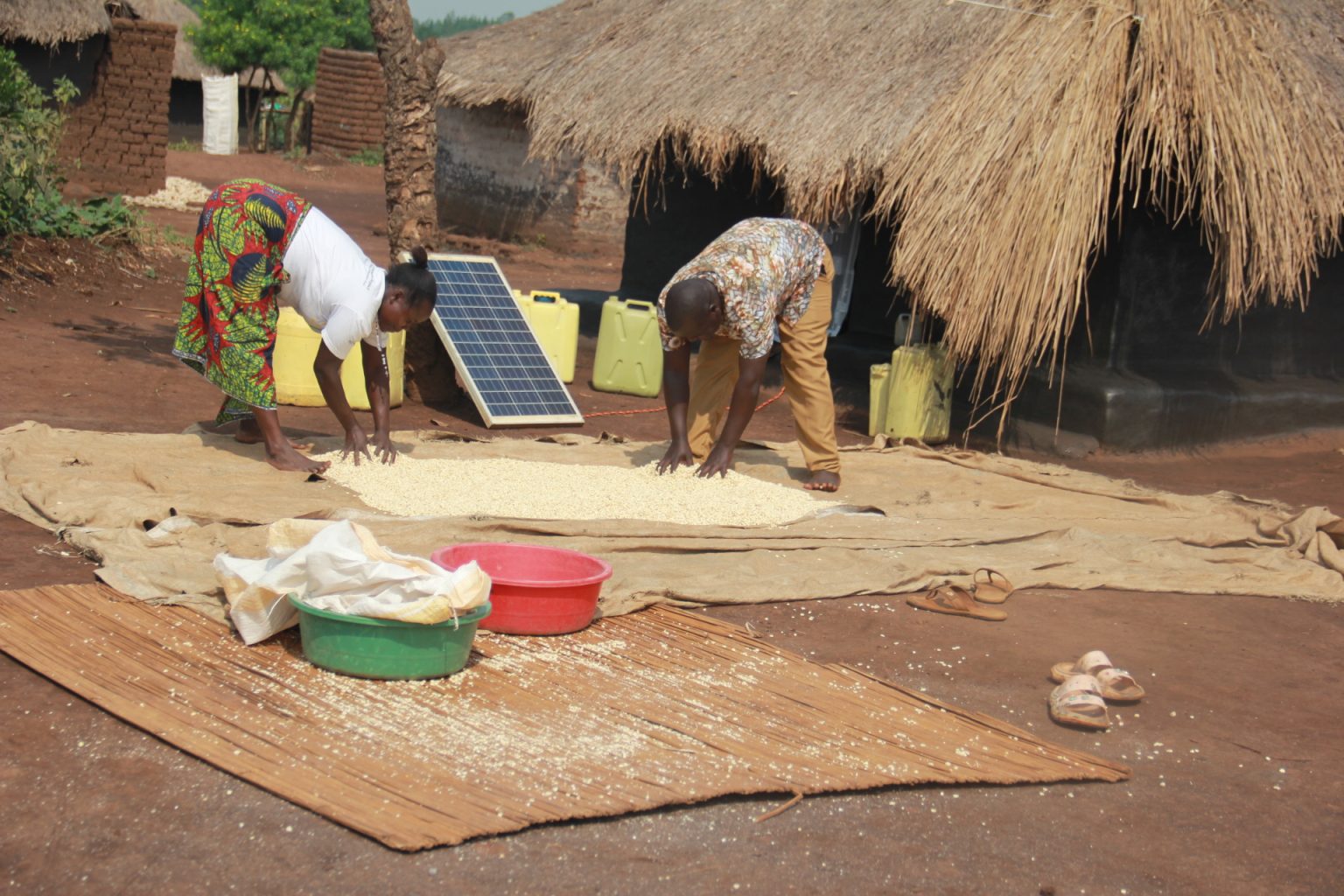
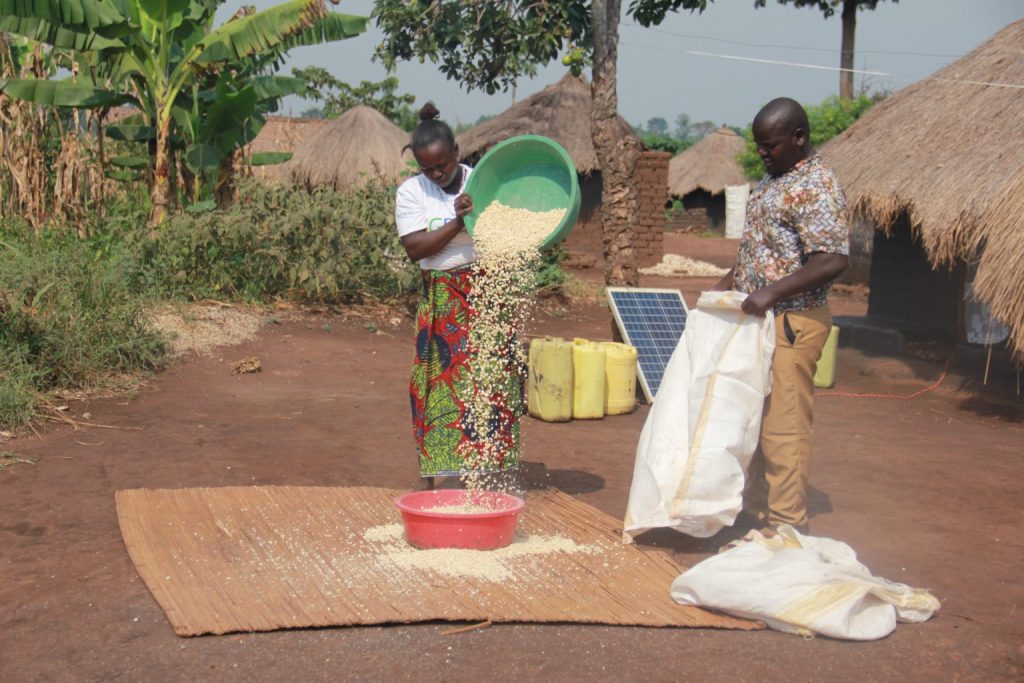
The couple working together to dry the maize.

READ MORE
Impact

Kalerwe Market Women Driving Change

In the vibrant heart of Kalerwe, a remarkable group of women has risen from humble beginnings to achieve extraordinary milestones. This is the inspiring story of a dedicated Kalerwe Market Women Vendors’ SACCO that started with small, cautious steps and has grown into a powerful force of transformation. These women have not only reshaped their own lives but have also become beacons of hope and empowerment within their community.

IST met with the group leadership and this is what they had to share with us. Join us as we unveil their incredible journey;

Our SACCO was established in October 2019, and it has been registered and active ever since. The inspiration behind starting this SACCO came from a training session by IST on group formation and leadership, which highlighted the importance of collective organization. We currently have a total of 474 members, each with a membership card. Of these, 339 are considered active members. These members are classified as active because they maintain running accounts with us and have open books for saving and borrowing.

When we first started, we began with a modest savings plan of just 200 shillings, and many didn’t understand the purpose behind it. However, through continuous capacity building and mentorship, we now have active members who have developed a strong saving culture where many save from 1,000 to 100,000 shillings daily besides a Sunday.

In addition to saving, our SACCO now regularly offers loans to members. This has significantly empowered us, as members no longer need to rely on the heavy collateral from banks to grow their businesses. IST played a critical role in helping us avoid the predatory lending practices of banks that once seized our property. The revolving fund has expanded our capacity to lend to other members, even those who were previously unable to access loans due to our limited portfolio.

Beyond business investment, the Revolving Fund has enabled women and young mothers to meet other financial needs, such as paying school fees and rent, without resorting to banks or exploitative money lenders. The Loan amounts we give out depends on an individual’s needs, available funds, and their capacity to repay the borrowed sum.

One of our proudest achievements is that over 60 women have acquired and accumulated assets, such as land, and some have even gone further to build homes. It brings us great joy to see women who once had nothing now owning property. IST’s support showed us that, by coming together, we could stop renting and instead build homes of our own.

Being part of the SACCO has also strengthened our unity. In an often-challenging market environment, having each other to rely on has made all the difference. We’ve ensured that every member knows where the others live, making it easier to reach out in times of celebration or difficulty.

Our business management skills have significantly improved as we’ve diversified our product lines. This strategic shift has empowered women, boosting productivity and increasing sales.

From the testimonies of our members, many now earn greater profits from their expanded offerings than they did from their previous, more limited range. Additionally, several members have expanded their businesses by opening new branches or stalls in the market. IST’s guidance was invaluable in emphasizing the risks of relying on a single product, especially since we operate in a seasonal business. This foresight has helped us mitigate potential downturns and strengthened our overall resilience.

The leadership and literacy skills we’ve gained through IST and KHF have empowered our SACCO members to become exemplary leaders and stand out in the market. These skills have enabled us to effectively lobby for the SACCO and build partnerships with other organizations that can provide additional support for our women, complementing the efforts of IST.

The leadership training has brought about a remarkable shift in our confidence as women in Kalerwe. In the past, many of us were too shy to speak in public, but now we are able to confidently address audiences at market events, in our communities, on radios and TVs and even during family meetings.

For example, I, Justine, have been invited to a number of  radio and TV talk shows to discuss issues affecting women in markets, including their rights and the importance of collective organizing. I was featured on Star TV to share my knowledge on these topics and also appeared on Metro FM’s “Omukyaala Waleero” program, where I spoke about my experiences as a market woman balancing work and family, as well as the importance of women’s rights and inclusion in leadership.

Similarly, as Sophie Namatovu, I have become a regular guest on Mama FM’s children’s program, airing every Sunday at 11 a.m. I share experiences as a mother, drawing on the confidence and knowledge we have gained through the IST trainings. As a SACCO leader, I was also connected by IST to a program organized by the Buganda Kingdom, where I spoke about the prevalence of sexual harassment in markets and its negative impact on women’s productivity.

During the KHF leadership trainings, we were encouraged to focus on lobbying and advocacy for our members. This led to a partnership with a legal organization, where two of our SACCO leaders were appointed as Community Legal Volunteers (CLV). Through this collaboration, we have been able to bring legal support and services closer to our SACCO members and the broader Kalerwe market community.

Our advocacy efforts extend beyond our SACCO. On International Women’s Day last year 2024, we visited Sanyu Babies’ Home to support mothers who bring their children to such centers. Many of these mothers have endured sexual violence or gender-based violence, leaving them with no choice but to give up their children in desperation. We shared our little resources with the children and mothers as a way of showing solidarity and celebrating their strength since we’re a family.

We also reached out to victims of the Kiteezi Landfill disaster, providing relief items such as clothes and food to displaced individuals, many of whom are single mothers. This initiative was inspired by our commitment to showing that women, through unity and collective effort, can make a significant difference in the lives of others.

Today, as a SACCO, we have a stronger voice and platform to speak out against injustices and inequalities faced by women in the market. Unlike before, the market leadership now consults us before making decisions.

One of our significant achievements has been addressing sexual harassment by male leaders. Thanks to our consistent advocacy, cases of harassment have drastically reduced. Male leaders no longer threaten to evict women for refusing their sexual advances, which was once a rampant issue.

Our journey has shown that empowered women can bring transformative change not only in their own lives but also in their communities. Together, we continue to build a stronger, more inclusive future for women in Kalerwe market and beyond.

As members of the community where we live and work, we have immensely benefited from our SACCO. As respected leaders, we provide marriage counselling and guidance to women and young girls, even those who are not part of our SACCO. This has strengthened our influence and impact in the community.

Our SACCO has stood the test of time, unlike many other women’s groups, thanks to the mentorship provided by KHF and IST. With their guidance, we now mentor new groups on operational best practices and help their leadership address challenges specific to our shared environment.
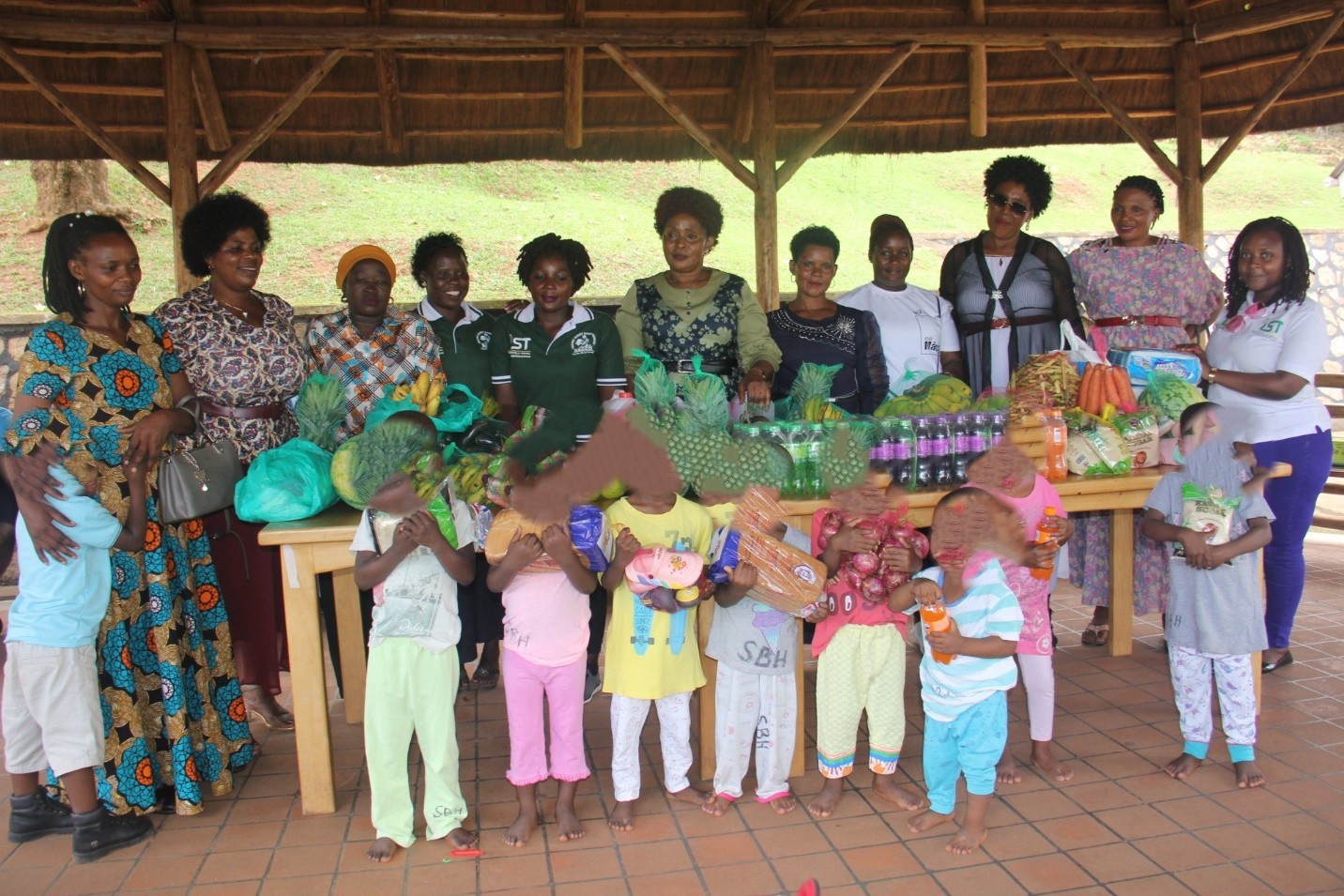
Kalerwe WomenSome of the group members of Kalerwe Women Vendor’s SACCO at Sanyu Babies’ home.

By utilizing the Revolving Fund to borrow money and start businesses, we have created employment opportunities for many youth vendors in the market. Additionally, we can now afford to hire helpers in our families due to increased household incomes. This has improved both our livelihoods and the overall welfare of our community.

READ MORE
Careers

Call For A Website Designer

Terms of reference for the website designer

Introduction

 Institute for Social Transformation (IST) is a non-governmental organsiation established in 2006 with the primary goal of developing a new quality of leadership that is committed to the transformation of people it serves. IST obliges to promote a more just society with an inclusive development approach in Eastern Africa. Over the nineteen years of existence, IST has established its self as a capacity building, innovative and transformative organsiation that empowers community activists especially women with skills and tools to discover and maximize their potential, to initiate own and control development programs that impact on their live hoods.

IST launched its website in 2006 to ensure easy and faster accessibility to all materials related to what they do as an organsiation across the world. To further enhance the existing website and ensure the best experience to users, the organisation is planning to conduct a series upgrades on the website.

Objective

The aim for the new web sections and other WebPages proposed in this TOR is to further promote interaction and collaboration among key users of the site. IST is inviting proposals from reputable and qualified companies with a track record of success in designing and producing digital solutions to develop new templates for the current website. The templates will provide a new look and feel to the web and will unlock the potential functionalities of the current software while displaying the content in a more organized, attractive and user-friendly manner.

Key Deliverables
  • Four new sections to be developed and integrated in the IST site.
  • Support and maintenance: Administrative and technical support, quality control for a period of 5 months.
  • Develop a user manual and deliver a webinar for the support staff and system administrators to perform content upload, system maintenance and administration.
  • IST website presents a new visual look and its functionalities are enhanced to provide a better experience to users.
  • Full source code including all developed libraries shall be handed over to IST.
Deliverables clause

Once a company is selected, the contract will be amended with a time and materials to capture new specific developments on the site upon request of IST.

Timing and duration of the assignment
    • The duration of the contract will be 1 month, and the expected starting date is 17th, September 2025.
    • The development of the website will be ready in one-month time starting from the date of signing the contract.
    • The user manual, webinar and the maintenance of the new webpages will be done within the same month of the contract.
Briefing arrangements

First meeting will be scheduled for IST team to brief the website developer/ company on the background information to develop each of the requested deliverables.

Reporting relationships and identification of responsibility for assessment of the services/ outputs

The company will work in close consultation and under supervision of the Communications officer, Executive Officer and the Senior Program Officer

They will follow up the design process answering questions related to the documents.

The Communications officer in close consultation with the Executive Director and Senior Program Officer of IST will assess the services and outputs of the company.

Support Provided

IST will grant access to the current IST website code and content including Word Press administration console, all documents and pages, plugins, themes and additional files.

WORK PLAN
Deliverables.

All new developments mentioned in this section will be built in the current IST website operated in WordPress.

New look
        • Ensure a consistent visual language on the new site by introducing fixed styles in templates ensuring consistency in fonts, formatting, icons, images, layout techniques.
        • The new templates should guarantee that most recent content on the site is captured automatically in the homepage in an organized way following specific categories, tags another custom taxonomies.
        • The new should be adapted to homepage, sections, subsections and the following components of the site, article template, resource webpage template, publication/guidance webpage template, country story webpage template, and event webpage template.
        • Standard page elements including header, footer, tabs, persistent navigation, contract us, email and page print options should be included in the new templates.
        • All sections and subsection webpage should incorporate functionalities to guarantee the latest information on that section and sub subsection is displayed.
        • Adapt a database of IST website to include new categories to display the information in an organic way.
New sections

The new subsections webpages should incorporate functionalities to guarantee the latest information on that sub-section is displayed( news, resources, publication, guidance, events and stories)

Support and Maintenance

Administrative and technical support, quality control for a period of four months.

Knowledge transfer

Develop a user manual and deliver a webinar for the support staff and system administrators to perform content upload, system maintenance and administration.

Functionalities to include in the new templates

The following features will be guaranteed through the new templates.

        • Language options feature in resources and guidance template
        • Social Sharing feature including twitter share by text selection and twitter feed by handle and hash tag
        • Link the site with other platforms
        • Multiple page styles and custom post types.
        • Signup for latest news
        • Responsive design
        • Add feed links
        • Interactive map

Full source code including all developed libraries shall be handed over to IST.

The successful company will participate in a debriefing session with the kit and other programme areas to understand the overall project and expectations.

Base on the debriefing session and TOR, the company will develop a design concept for the site and share a maximum of three proposals with IST team.

Company will adjust concept based on feedback and comments from IST team.

Development of web sections and content upload.

Integration and final approval by IST

Test site before going live.

Required Skills and Experience
        • Relevant experience in using different content management systems particularly WordPress.
        • Be a reputable company with at least 5 years of prior experience designing visually appealing and navigation friendly web site.
        • Have excellent knowledge of recent trends in graphic design, web sites, including online video publishing and social media networking.
        • Have Board knowledge of current web development technologies and design tools in the field software and programs including use of HTML, XHTML, CSS, XML, Java.
HOW TO APPLY

Submit Technical and Financial proposal and Curriculum Vitae to the Executive Director on Email: isocialtransformation32@gmail.com.  With the subject line: Design and Website Upgrade-IST Website. Not later than Friday, 12th September 2025.


READ MORE
Careers

Engagement of External Audit Firm (2025–2027)

Terms of Reference for External Audit Firm

1. Background

The Institute for Social Transformation (IST) is a non-governmental organization committed to empowering women and youth, particularly in the informal sector, through capacity building, financial inclusion, entrepreneurship, advocacy, and promoting gender justice.

To ensure transparency, accountability, and compliance with national laws and donor requirements, IST seeks to engage a reputable and qualified external audit firm to conduct annual audits of its financial statements for a period of three years, from 2025 to 2027

2. Objective of the Assignment

The primary objective of the external audit is to enable the auditors to express an independent professional opinion on the financial position of IST and to ensure that the funds received have been used in accordance with the organization’s financial policies, applicable laws, and donor requirements.

3. Scope of Work

The audit will be conducted in accordance with International Standards on Auditing (ISA) and shall include but not be limited to

  • Examination of IST’s financial statements (balance sheet, income and expenditure statement, cash flow statements, and notes to the accounts).
  • Verification of income received and expenditure incurred for the financial years 2025, 2026 and 2027.
  • Review of compliance with donor agreements and applicable statutory regulations (e.g., NGO Act, URA, NSSF).
  • Assessment of internal controls and risk management practices.
  • Review of procurement and financial management systems for compliance and efficiency.
  • Identification of any ineligible expenditures or material weaknesses.
  • Issuance of a management letter with recommendations for improvements.
4. Deliverables

The selected audit firm will be expected to provide the following:

  • Audited financial statements for each financial year (2025, 2026 and 2027).
  • Independent audit opinion on IST’s financial position.
  • Management Letter detailing findings, risks, and recommendations.
  • Any other reports required by IST or specific donors during the engagement period.
5. Duration and Timelines
  • The audit for each financial year must be completed and finalized within 90 days after the close of the respective financial year.
  • A planning meeting will be held at the beginning of each audit to agree on timelines and information needs.
6. Qualifications and Experience of the Audit Firm

Interested audit firms must meet the following criteria;

  • Must be a legally registered and licensed audit firm in Uganda.
  • Demonstrated experience in auditing NGOs or donor-funded organizations for at least five (5) years.
  • Proven knowledge of International Financial Reporting Standards (IFRS) and International Standards on Auditing (ISA).
  • Capacity to assign a qualified team (e.g., Certified Public Accountants or equivalent).
  • Good standing with the Institute of Certified Public Accountants of Uganda (ICPAU).
7. Proposal Submission Requirements

Interested firms should submit a detailed proposal including:

  • Company profile and registration certificates.
  • Technical proposal outlining understanding of the assignment, methodology, and work plan.
  • Financial proposal clearly stating the fee for each year and overall cost.
  • List of at least three (3) similar NGOs previously audited with contact references.
  • Curriculum vitae of key audit personnel.
8. Evaluation Criteria

Proposals will be evaluated based on the following:

Criteria Weight (%)
Technical capacity and experience 40%
Methodology and understanding 25%
Cost-effectiveness of financial bid 20%
References and previous experience 15%


9. Submission Deadline and Contact

The proposals should be addressed to the Chief Executive Officer and submitted to this email address: isocialtransformation32@gmail.com by 30th May, 2025

READ MORE
News

Promoting Collective Responsibility within Families to Reduce VAW

Over the past two decades, major world conferences and summits, such as those organised by the United Nations, have called attention to the issues affecting families, including family roles and responsibilities, gender equality and men’s greater participation in family life. The 1995 World Summit for Social Development, for instance, acknowledged the importance of providing help to families so as to enable them to perform their supporting, educating and nurturing roles. Such support involves enacting social policies and programmes designed to meet the needs of families and their individual members, including those promoting equal partnership between women and men in the family and ensuring opportunities for family members to understand and meet their social obligations. Failed to find current activity on that particular theme, that’s y I used the words in the last decade.

In furtherance of this, the Institute for Social Transformation organised a community dialogue for residents of Buyengo parish in Buyengo trading centre, Dabani sub-county, Busia district under the theme ‘Parental Responsibility: How Men’s Failure to Fulfil their Responsibility Has Increased Violence against Women’. The main objective of the event was building a critical mass of people at the community and district levels who support the prevention of violence against women, as well as the protection of their rights and a response to those rights.

The community dialogue was attended by the local leaders, women’s rights champions trained and commissioned by the Institute for Social Transformation (IST), district councillors, religious leaders, Community Development Officers (CDOs), village elders, youth and community members.

Children with absentee fathers have a risk factor of two to three times that of children with involved fathers for a wide range of negative outcomes, including dropping out of school, giving birth as a teenager and becoming a juvenile delinquent.

Specifically, the dialogue, which took place in March 2017, sought to encourage collective responsibilities within the family setting, with men setting up and owning up to their different roles and obligations.

It was organised under a series of presentations and discussions on selected topics given by highly qualified violence against (VAW) and education professionals. The aim of these discussions was to stimulate debate and documentation of the efforts and successes as well as the struggles involved in addressing VAW within the family setting.

During the discussions, the participants exhibited a proper understanding of Article 31 (1) of the 1995 Constitution, which stipulates that a man and a woman are entitled to marry only if they are each of the age of 18 years and above and are entitled at that age: (a) to found a family; and (b) to equal rights at, in marriage, during marriage and at its dissolution. Some of the rights include: the right to respect; the right to privacy; freedom of speech and expression; taking part in decision-making; and the right to property. According to Sub-Article (4) it is the right of parents to care for and bring up their children.

Mr Ojiambo Francis, the CDO Buyengo sub-county, talking to participants during the dialogue. He noted that ‘violence against women breeds poverty, insecurity and backwardness in families and the community at large’ and, therefore, challenged those present to work together to end the vice, mostly in their families, as they form the core foundation for good communities and nations.

Mr Ojiambo Francis, the CDO Buyengo sub-county, talking to participants during the dialogue. He noted that ‘violence against women breeds poverty, insecurity and backwardness in families and the community at large’ and, therefore, challenged those present to work together to end the vice, mostly in their families, as they form the core foundation for good communities and nations.

The responsibilities of both men and women were also at the heart of the discussions. It was noted that although men are aware of their obligations, the majority have stubbornly stepped aside and left everything to their female counterparts. As a result, the women are economically violated since they are left to solely provide the family’s basic needs, including school fees for the children, food, shelter, medical bills and clothing. The men, on the other hand, spend most of their time either drinking, gambling or philandering.

Although men are still traditionally seen as economic providers, disciplinarians and protectors within their families, current trends demand that they take on new responsibilities, including caregiving and providing emotional support to children, offering guidance so as to enable children to connect with their extended family and community members, and participating in a variety of household activities.

This kind of behaviour was mostly blamed on polygamy, which is rampant in Busia, lack of respect for men by their wives, poverty, and poor upbringing with no male role models where young boys don’t have fathers that they can look up to while growing up.

Key amongst the recommendations made to address this situation in families was for both female and male spouses to love and respect one another. As one of the elders advised: ‘Women must be respected because they are the pillars of the homes. Men should collaborate with their wives to engage in income-generating activities to provide for the family and build peaceful, loving homes.’

Ms Norah Nabwire, IST Programme/Legal Officer, coordinating the question-and-answer session during the dialogue.

Ms Norah Nabwire, IST Programme/Legal Officer, coordinating the question-and-answer session during the dialogue.

Men were also cautioned against marrying many wives because of the very many challenges and risks involved, like having to provide for many family members yet resources are meagre and increased risks of getting sexually transmitted diseases such as HIV/AIDs. These acts also promote inequalities amongst co-wives and children and are a breeding ground for conflicts, and low self-esteem.

A responsible man should be in a position to call for family meetings at least once a month during which family members talk about issues that concern them. He should also provide for his family, be accountable to his wife and children, and participate in house chores. Wabwire Abubaka Idi – LC III Buyengo Trading Centre

In addition, it was proposed that a byelaw on excessive drinking be initiated at the sub-county. This byelaw would incriminate any person who appeared to be under the influence of alcohol to a degree that endangered him/herself or another person and property.

Furthermore, men were advised to take up income-generating activities such as commercial agriculture, as opposed to subsistence farming, to help boost their income levels.

Lastly, the importance of conducting family meetings was emphasised. During such meetings family members would come together to discuss their unique needs, challenges and solutions.

READ MORE
News

IST International Women’s Day Celebrations

International Women’s Day is a worldwide event that celebrates women’s achievements – from the political to the social – while calling for gender equality. It has been observed since the early 1900s and is now recognised each year on 8 March. The day is not affiliated with any one group, but brings together governments, women’s organisations, corporations and charities. The day is marked around the world with arts performances, talks, rallies, networking events, conferences and marches.

IST, represented by the Executive Director, Ms Rita Atukwasa, officiated at the two major events: (i) to honour Dr Marta Vicente-Crespo, Dean of the School of Medicine, at St. Augustine International University, who on 8 March 2017 in London was awarded the Suffrage Science award in recognition of pioneering the use of fruit flies to conduct laboratory research; and (ii) the launch of the Women Empowerment Association at the university.

L-R: Academic Registrar, C/P University Council, Prof. V. Baryamureeba, IST Executive Director Ms Rita Atukwasa- Chief Guest , Prof. Gabriel Nzarubara – University Chancellor, Dr Marta Crespo Awardee, and Lucy Dan Teuling

Various activities were organised at St. Augustine International University to commemorate Women’s Day. The activities which took place included, among others, a quiz for medical students on the identification of gender equality at the university, indoor games, joint competitions and speeches, which were followed by the launch of the SAIU Women Empowerment Association (SWEA).

Dr Charity Basaza Mulenga, a member of the University Council, affirmed that the university encouraged girls to pursue science courses such as medicine, surgery and law. Since many women had enrolled, it demonstrated that women, like their male counterparts, had the capability to succeed in this area. Examples of successful women, such as the Rt. Hon. Rebecca Alitwala Kadaga, the Speaker of Parliament in the Republic of Uganda, Jennifer Musisi, the Executive Director of KCCA, and many others, were given.

The award winner, Dr Marta Vicente-Crespo appreciated the surprise gesture to honour her. She affirmed that it was indeed a great honour to receive the Suffrage Science award that recognises women in the engineering and physical sciences that relate to medicine. Also, it celebrates women’s achievement in the sciences and their ability to inspire and encourage other women to pursue courses and professions in the sciences. This public engagement scheme was initiated in 2011, by the UK’s Medical Research Council (MRC Clinical Sciences Centre), a biomedical research institute. She went ahead and encouraged peers, friends and colleagues to take bold action to help drive gender parity, that is to say mentoring young females to take up science subjects and courses.

To crown the event was a speech by the Executive Director IST, Ms Rita Atukwasa, who represented H.E. Dr Thelma Awori, Consular Liberian Embassy and Board member at IST. Ms Atukwasa addressed the issue of stereotyping women and girls as not being able to do sciences. She emphasised the need to understand the different kinds of support women and men, girls and boys require to be able to excel in school, and especially in the sciences. The ‘I fear’ factor was equally emphasised as a hindrance to women’s empowerment. She asserted that most women have kept their dreams in check owing to the ‘I fear’ factor and the limiting environment in which they grew up in where they are told to ‘go slow’. In her experience of working with women and girls, the common response to why they don’t challenge themselves is usually the fear that engulfs them, which is imparted from childhood. Therefore, deliberate mentorship for girls is necessary if their numbers are to tremendously increase in the science field.

She pledged that IST is ready to collaborate with the university to advance gender mainstreaming that will enhance relevant actions to make it the most gender-responsive learning institution in the countryThe challenge was whether the university utilises the opportunity. She thus called on the chair of the University Council, Prof. V. Baryamureeba, and the Vice Chancellor, Prof. Gabriel Nzarubara, to think about of the benefits a gender responsive learning environment will bring.

The colourful celebrations ended with the launch of the SAIU Women Empowerment Association (SWEA) to create an opportunity for competent and confident women to lead in innovative socio-economic transformation. SWEA was launched with the purpose of establishing a platform where women and girls can unleash their full potential. The major focus of SWEA is empowering women socially, politically and economically, mentoring women in leadership through leadership training and workshops, boosting women’s interest in the sciences right from primary level, building women’s life skills and promoting women’s health.

The IST Executive Director, Ms. Rita Atukwasa addressing participants at the University

Other networking events that IST participated in during the commemoration of Women’s Day included:

Interaction with Kyengera Rotary Club

The Executive Director, Ms Rita Atukwasa, was invited by the Kyengera Rotary Club to deliver an interactive talk on domestic violence. Held on the 3 March at Rose Gardens Kyengera, the talk was in commemoration of the International Women’s Day and focused on ‘Alternative Ways of Promoting Peaceful and Healthy Relationships and Homes’.

The IST Executive Director, Ms Rita Atukwasa, receiving a certificate of recognition after her presentation on domestic violence to members of the Kyengera Rotary Club

The Power and Control Wheel, frequently used by those who work with victims of domestic violence to demonstrate how power and control issues are at the core of abusive behaviours, was used to illustrate and describe the different dimensions of abuse and violence during the talk. Not only did the talk create an empowered class of citizens in support of safe, stable and nurturing relationships and homes, but it also increased their knowledge of domestic violence and its effects on individuals, homes and communities as a whole. Consequently, they made commitments in terms of action points to address domestic violence in their local communities.

Public Dialogue on Media Coverage of Women in the Ever-Changing World of Work

Organised by Konrad-Adenauer-Stiftung in partnership with Mon Pi Mon and SheMattersUganda, the dialogue focused on ‘why media matters in advancing gender equality’. The participants discussed the importance of having objective and balanced media coverage of both men and women in the 21st century. The discussion brought out critical issues regarding perceptions about and the treatment of women at various places of work such as the media, in households, in markets, and on the higher rungs of authority. Whereas women leaders are more result-oriented, more transparent and less corrupt, they are consistently paid less compared to men and negatively perceived, and questions are always asked about women in higher positions: How did she get there? Who helped her? What did she use?

Great concern was expressed about the treatment of domestic workers. The general view was that domestic workers were not treated with dignity and were disrespected despite the great value of their work. It was agreed that the effort to support advocacy for the legal framework that regulates the working conditions of domestic workers needed to be stepped up. It was clear that there were many unanswered questions regarding the media fraternity. There was still little space and an unfavourable environment for women in the media to explore their skills and potential. Female journalists revealed that writing ‘hard news’ was a male preserve. Sexual exploitation, long hours of work without flexibility, socio-cultural norms that frame perceptions about women were some of the barriers at workplaces that were identified during the dialogue.

It was emphasised that this calls for female-male partnership to ensure a favourable environment at workplaces and to stop the objectification of women.

Ms Rita Atukwasa, Executive Director IST, contributing to the discussions at the dialogue.

READ MORE
News

Contributing to Learning Experiences that Connect, Inspire and Engage

As a strategy, the Institute for Social Transformation (IST) participates in a number of networking receptions that are in pursuit of development endeavours. Such events provide avenues for the exchange of experiences and resources, link local efforts for more effective lobbying and advocacy, and improve the quality of our interventions and efficacy of our actions in the communities where we operate.

In light of this, we participated in the 3rd National Women’s Week that was convened by the Uganda Women’s Network (UWONET) from the 17th to the 21st of October at Hotel Africana under the theme “Every Woman Counts.”

A cross section of participants making their contributions during the event

Given our vast experience in empowering women economically, we organised a Parallel Session that explored the findings of the market women situational analysis study that we conducted about the conditions under which market women work. During the event, the challenges and/or constraints that such women face, their role and capability to challenge speculations that women are weak and less capable of involving in business ventures, the opportunities available for them to tap into business, trade and market access, as well as major policy gaps that leave such women unprotected and prone to exploitation were discussed in detail.

Participants who included development partners, representatives from civil society, the media, district local governments, key line government ministries, as well as rural women and men were also able to hear real life experiences from the market women themselves, about their experiences in the business sector, particularly the marketplace.

A market woman from Kotido sharing her experience with participants

Some of the challenges the market women posed included – lack of capital and business skills, cultural barriers, family obligations, lack of interest and confidence, sabotage by spouses/male partners who do not want them to engage in such businesses suspicious that they would cheat, and lack of support from loved ones.

The participants were particularly moved by these experiences and as a result made some suggestions that would help redeem the dire situations under which these women work, with some even going ahead to make commitments about how they would contribute their efforts and resources toward their realisation.

They included:

  • Providing market women with start up and business growth matching grants.
  • Supporting them in developing savings scheme, which could grow into cooperatives to minimize exposure to moneylenders that charge and exploit them.
  • Facilitating trainings in financial literacy, business development, supplies management, customer care and record management, and;
  • Lobbying to improve market facilities with the establishment of baby/child and breastfeeding centres, separate toilets and bathrooms for men and women, more stalls and spacious pathways and for the setting of rules and regulations that take into account unique roles of women.

99 – the number of people engaged during the Parallel Session, with women accounting for 85%.

As an organization, we established new strategic relationships and partnerships, which we hope to use as an invaluable source of information and support in future interventions during this event. The market women on the other hand gained confidence to speak for themselves against the exploitative leadership in market places and formed caucuses (some of which are recognised by the Uganda Registration Services Bureau – URSB), for purposes of dialogue and self-empowerment. Other achievements registered by these assemblies after the IST mentorship include: enhanced ability of the market women to participate in the leadership and governance of the marketplace; and senstisation and generation of support for women’s rights mostly from the marketplace leadership.

“I have liked the sensitization on women in the market, it really gave me an insight on how to work with my team as we are championing women rights in our local communities. I have also learnt about the power and importance of collective effort, and the need to tackle issues of economic empowerment, especially when working with women. This session has also given me the opportunity to witness first-hand the potential that our women have. If it were possible, IST would extend such platforms to other districts so that a bigger impact is felt.” Gerald Tumwebaze, Civil Society Representative from Kamwenge Development centre

READ MORE